In 2026, cultural and historical calendars can do much more than mark special dates. When used correctly, they can become practical daily planning tools that help you organize tasks, align routines with meaningful events, and create a more intentional schedule throughout the year.
Instead of treating these calendars as passive references, you can turn them into active planning systems. Whether you are a student, teacher, content creator, parent, or professional, a cultural and historical calendar can support better daily focus, stronger time awareness, and more thoughtful decision-making.
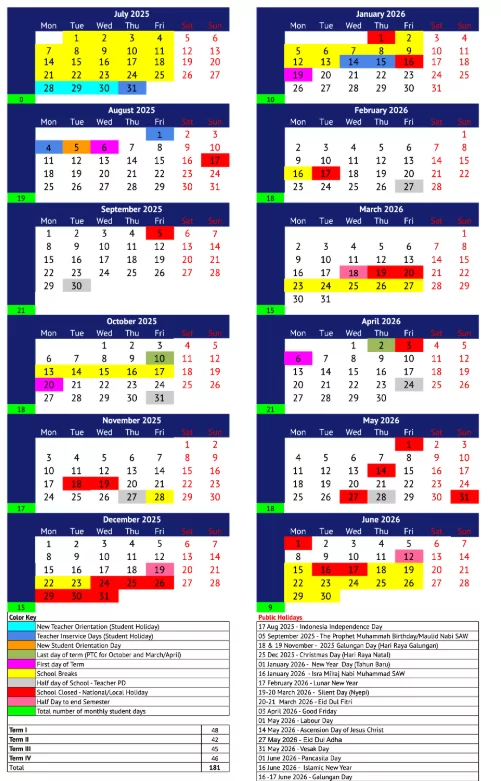
Why Cultural and Historical Calendars Are Useful for Daily Planning
A standard planner helps you track appointments and deadlines, but a cultural or historical calendar adds context to your schedule. It reminds you of important observances, heritage events, anniversaries, and significant moments that may influence your priorities, activities, or content plans.
This extra context can improve how you plan your day. Instead of working in isolation from the calendar year, you begin to organize tasks around meaningful dates, making your schedule more relevant, engaging, and connected to real-world events.
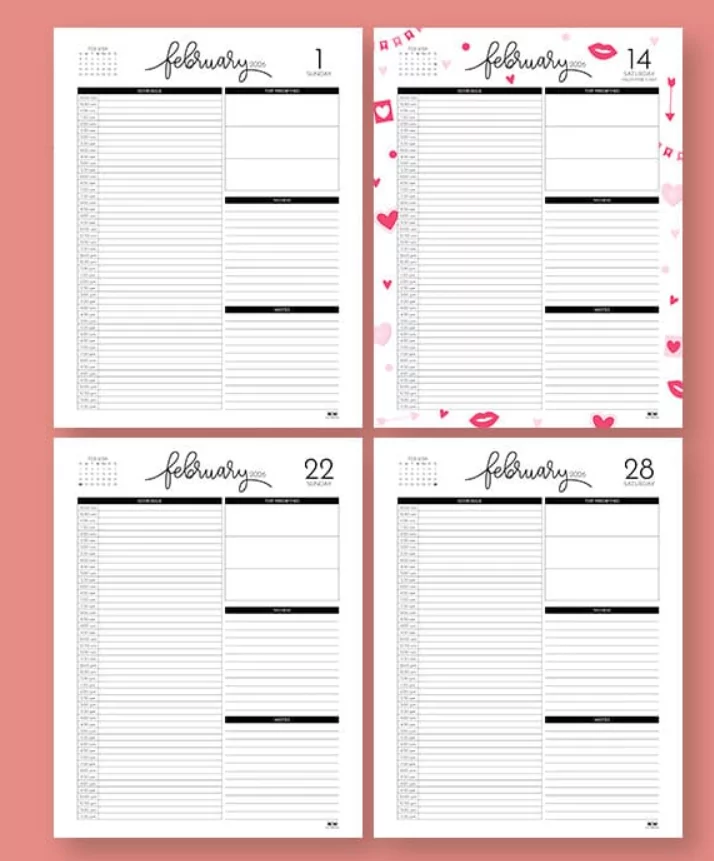
Start with a Monthly Planning Review
The best way to use a cultural or historical calendar for daily planning is to begin with a monthly review. At the start of each month, scan the calendar for important cultural celebrations, religious observances, awareness events, and historical anniversaries that may affect your work, school activities, family schedule, or creative projects.
This monthly review gives you a better sense of what deserves attention before the days become too busy. It also helps you prepare early instead of reacting at the last minute.
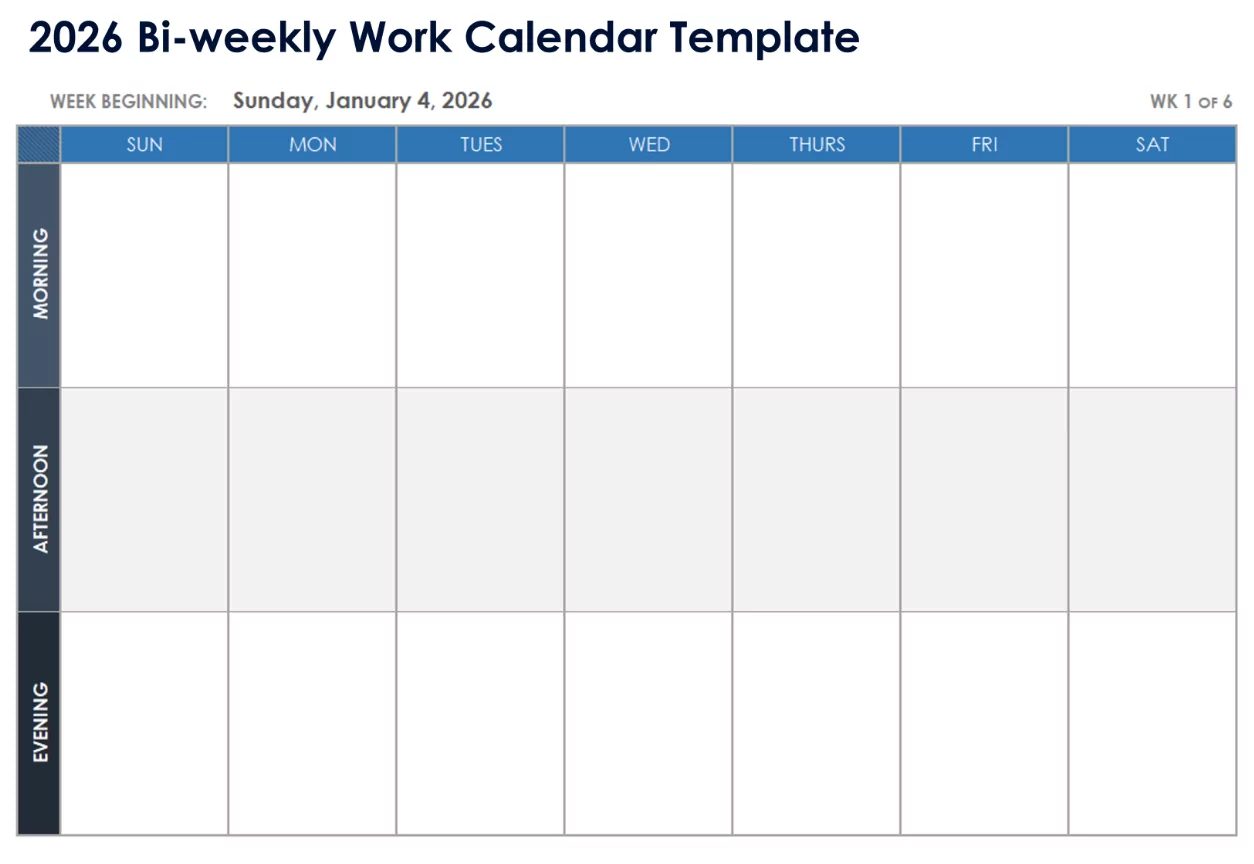
Turn Important Dates into Daily Action Steps
Once you identify meaningful dates, break them into smaller daily actions. For example, if an important cultural celebration is coming up, you can schedule preparation tasks such as research, shopping, lesson planning, outreach, content creation, or family arrangements across several days.
The same method works for historical dates. If you want to recognize a major anniversary, you can block time for reading, writing, classroom activities, social media posts, presentations, or event preparation. This turns your calendar into a practical planning tool rather than a passive list of dates.
Use Time Blocking Around Meaningful Events
Time blocking is one of the most effective ways to connect your daily schedule with a cultural or historical calendar. Instead of keeping tasks in a general to-do list, assign them to specific time slots based on the events, themes, or observances that matter during the week.
For example, you might reserve one block for cultural research, another for creative work, and another for planning family or community activities. This makes it easier to stay focused and prevents important dates from being forgotten in a crowded schedule.
Create Daily Priorities Based on Relevance
Not every date on a cultural or historical calendar requires the same level of attention. To plan effectively, choose the events that are most relevant to your goals, values, audience, or responsibilities. This keeps your schedule realistic and helps you avoid overloading your days.
A teacher may prioritize dates related to classroom themes, while a business owner may focus on community engagement opportunities. A family may use the calendar to organize celebrations, traditions, and meaningful conversations at home. The key is to make the calendar work for your real life, not just your ideal plan.
Combine Daily Planning with Weekly Reflection
Daily planning becomes more effective when it is supported by a weekly review. At the end of each week, look back at how well you used your cultural or historical calendar. Review what was completed, which dates were most useful, and what should be adjusted for the coming week.
This reflection helps you improve your planning habits over time. It also reveals patterns, such as recurring events that need earlier preparation or themes that deserve more space in your routine.
Use Color Coding for Better Clarity
Color coding can make a cultural and historical calendar easier to use every day. You can assign one color to cultural celebrations, another to historical anniversaries, another to personal commitments, and another to work or school deadlines.
This visual system makes your schedule easier to scan at a glance. It also helps you see whether your time is balanced or whether one area of your life is dominating too much of the week.
Apply It to Different Lifestyles
Students can use cultural and historical calendars to plan research projects, class discussions, study themes, and presentation dates. Teachers can use them to build lesson plans, activity weeks, and classroom displays around meaningful moments throughout the year.
Content creators and marketers can use these calendars to schedule campaigns, blog posts, newsletters, and social content with stronger seasonal and cultural relevance. Families can use them to prepare traditions, celebrations, educational activities, and shared routines in advance.
Digital and Printable Planning Options
Digital calendars are useful for users who want reminders, quick edits, and easy access across devices. They work well when plans change often or when multiple people need to stay aligned.
Printable calendars are better for visible daily reference. They work especially well in classrooms, offices, kitchen spaces, and home planning areas where everyone can see upcoming dates and related tasks. Many people get the best results by combining both formats.
Practical Tips for 2026
Keep your daily planning simple and specific. Do not try to use every cultural or historical event at once. Choose the ones that truly matter to your schedule and turn them into realistic actions.
Prepare in advance whenever possible. Meaningful dates often require extra thought, materials, or coordination, so early planning gives you more control and less stress.
Finally, treat your calendar as a guide, not just a record. The more actively you use it to shape your day, the more valuable it becomes as a planning tool in 2026.
