In 2026, digital calendars have evolved from simple date-trackers into intelligent, centralized command centers for your entire life. Relying on sticky notes and fragmented to-do lists simply cannot keep up with the demands of modern schedules. By strategically combining a primary digital calendar with complementary task management tools, you can build a seamless daily planning ecosystem. This guide will walk you through actionable techniques to leverage digital tools to reduce overwhelm, eliminate decision fatigue, and reclaim control of your daily routine.
Setting Up Your Digital Planning Ecosystem
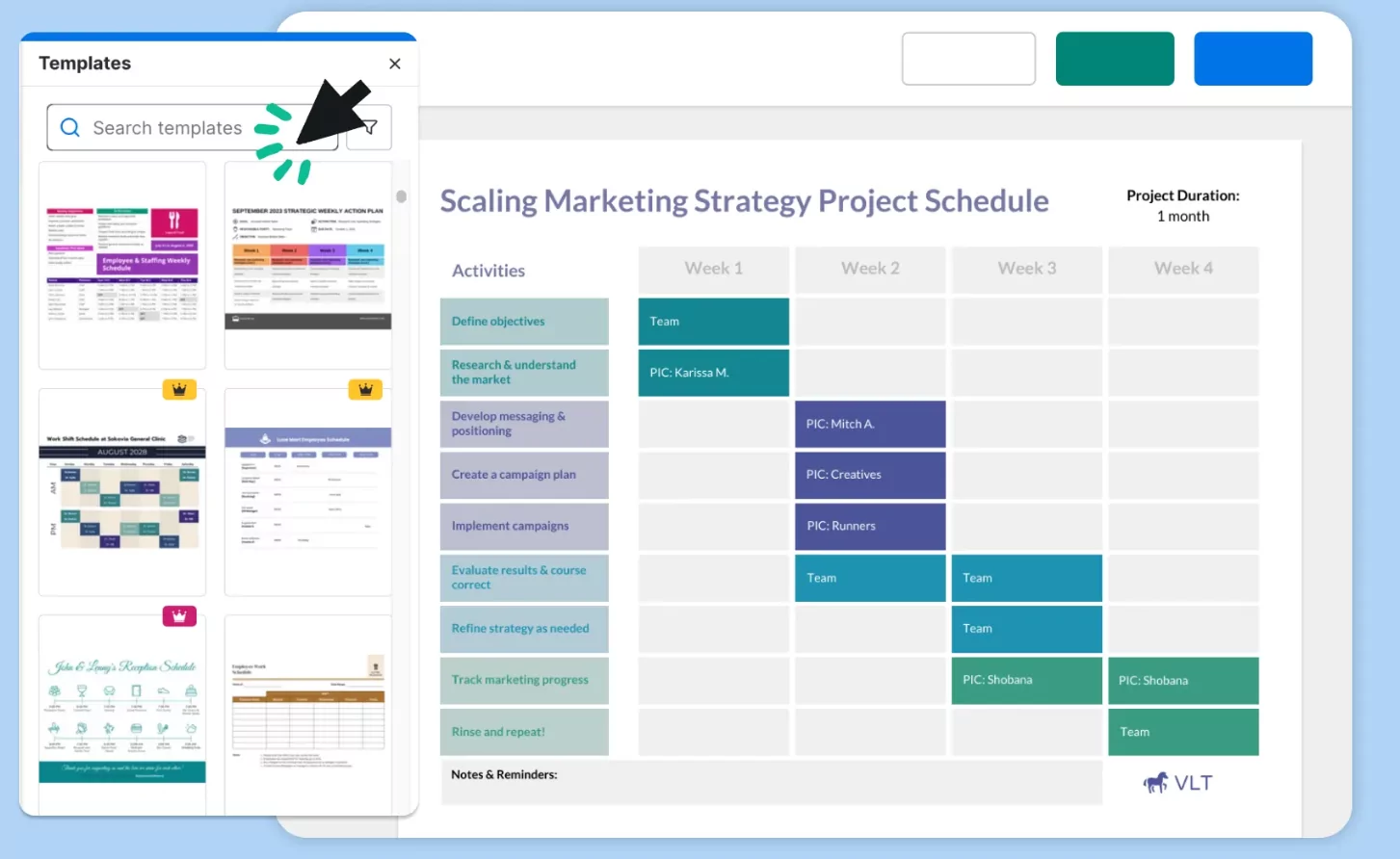
A highly effective daily plan rarely relies on a single app. Instead, it relies on a connected ecosystem where each digital tool has a specific, clearly defined role. Understanding these roles prevents you from duplicating work and ensures nothing slips through the cracks.
The Role of Your Primary Calendar
Your digital calendar (whether it is Apple Calendar, Google Calendar, or Microsoft Outlook) should be treated as sacred ground. This tool is strictly for “hard landscape” items—commitments tied to a specific time. This includes meetings, appointments, flights, and fixed events. If an event must happen at a specific hour, it lives on the calendar. By keeping your main calendar free of aspirational to-do lists, you can instantly see exactly how much free time you actually have available in a day.
The Role of Your Task Manager
Your task manager—such as Apple Reminders, Todoist, or Notion—is the designated home for your floating to-do items. These are tasks that must be done today but are not tied to a specific hour, like “draft the quarterly report” or “pick up dry cleaning.” In a robust 2026 workflow, you review this task list and drag the most important items into the blank spaces on your primary digital calendar to create a realistic daily schedule.
Advanced Daily Planning Techniques for 2026
Once your ecosystem is established, the way you interact with your digital calendar determines your daily success. Applying these modern scheduling techniques will drastically improve your daily output.
Time Blocking and Task Consolidation
Time blocking remains one of the most powerful methods to manage your day. Instead of working from a running list, allocate specific blocks of time on your digital calendar for specific tasks. Group similar tasks together—such as scheduling a 45-minute block purely for answering emails or a 90-minute block for deep, focused work. Visually seeing these blocks on your screen minimizes distractions and prevents you from unconsciously multitasking.
Utilizing AI and Smart Scheduling
The biggest leap in 2026 productivity tools is the integration of AI-assisted planning. Apps like Motion, Morgen, and Akiflow can actively manage your calendar for you. You input your tasks, priorities, and deadlines, and the AI automatically slots those tasks into the available free time on your calendar. If a meeting runs late or an urgent task pops up, these smart tools dynamically reshuffle your remaining schedule, eliminating the stress of manual replanning.
Color-Coding for Visual Clarity
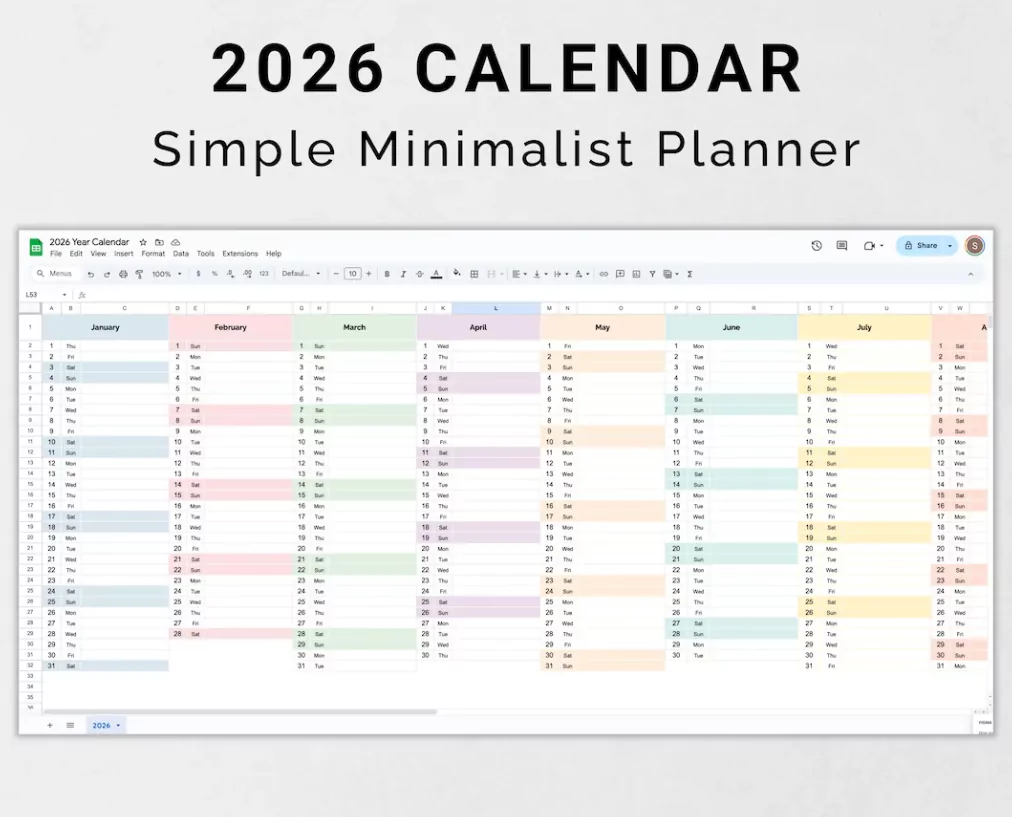
A cluttered, monochromatic calendar induces anxiety. Utilize color-coding to make your daily schedule instantly readable. Assign specific colors to different areas of your life: blue for focused work, green for personal appointments, orange for team meetings, and gray for commute times. A quick glance at your phone in the morning will immediately tell you the “temperature” of your day—whether it is heavily skewed toward intense work or balanced with personal time.
The Daily Planning Ritual
The best digital tools are useless without a consistent routine. Implementing a structured daily planning ritual ensures your digital calendar remains an accurate map of your reality.
The Night Before Setup
The most effective daily planning happens the night before. Spend 10 minutes at the end of your workday reviewing tomorrow’s digital calendar. Check for any scheduled commitments, review your task manager for looming deadlines, and identify your top three non-negotiable priorities. Drag those priorities into your calendar for the next day. This simple ritual allows you to wake up with a clear plan, bypassing the morning decision fatigue of wondering where to start.
Building in Buffers and Routines
A common mistake in digital planning is scheduling every minute back-to-back. In 2026, modern planning emphasizes the necessity of buffer times. Use your digital calendar to intentionally schedule 15-minute buffers between meetings to prep, decompress, or grab coffee. Furthermore, add fixed daily routines directly to your calendar—such as a 30-minute morning workout or a 15-minute evening shutdown routine—to ensure personal wellness is treated with the same importance as a work meeting.
Integrating Planners and Calendars
For those who love the tactile feel of writing but want the convenience of digital storage, combining tablet-based digital planners with automated calendars offers the best of both worlds.
You can use an iPad with an app like GoodNotes to write out your daily reflections, habit tracking, and brain dumps on a hyperlinked PDF planner. Then, use the split-screen feature to pull up your Google Calendar side-by-side. You transfer the concrete commitments from your digital planner directly onto your automated calendar. This allows you to enjoy the therapeutic process of handwriting your goals while relying on your smartphone’s calendar app to send you push notifications when it is time to execute them.
Sticking to Your Digital System
The ultimate key to effective digital planning in 2026 is commitment. Treat your digital calendar as the single source of truth for your day. Consistently input every appointment immediately, sync your calendar across your phone and laptop for seamless access, and review it daily. By establishing clear goals, leveraging smart integrations, and building realistic time blocks, you will transform your digital calendar from a passive tool into an active driver of your daily success.
