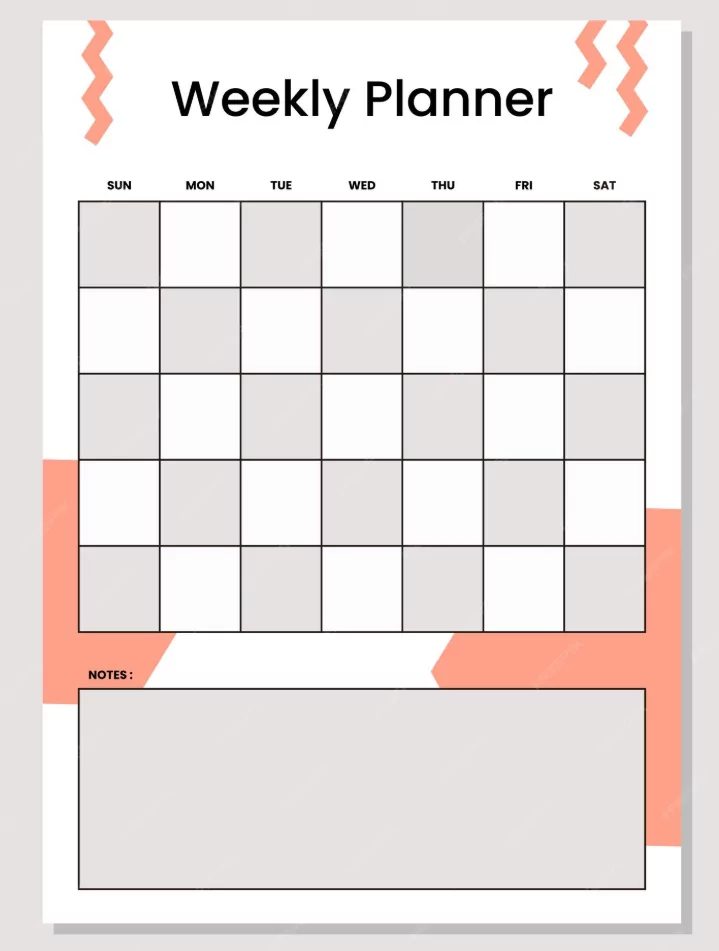
In 2026, the concept of daily planning has shifted from sterile, rigid schedules to holistic systems that blend productivity with personal expression. A well-designed, aesthetic daily planner does more than just tell you what to do; it motivates you to actually do it. Research in behavioral psychology indicates that using visually appealing organizational tools triggers dopamine release, making the act of planning a rewarding ritual rather than a tedious chore. By aligning your visual aesthetic with proven productivity methods, you can create a daily planning routine that significantly reduces chaos and boosts your focus.

The Psychology of Aesthetic Planning
The visual appeal of your planner plays a massive role in your daily engagement. When you look at a beautifully organized page, your brain perceives structured chunks of information rather than an overwhelming wall of text. This visual clarity reduces mental fatigue, freeing up your cognitive energy to focus on executing tasks instead of deciphering them. Whether you prefer the raw edge of neo-brutalism or the soothing tones of biophilic design, customizing your planner creates a profound sense of ownership, empowering you to conquer your day on your own terms.

Essential Design Elements for Daily Productivity
A highly functional 2026 aesthetic daily planner acts as your ground-zero command center. To balance structure with flexibility, your daily layout must incorporate specific design elements that address different aspects of your life.
The “Top Three” Priority Section
One of the most effective ways to combat overwhelm is to identify your top three non-negotiable tasks each morning. Design your planner so that these priorities are visually distinct. You can highlight this section using a bold font, a contrasting background color, or a specialized border. Drawing immediate visual attention to these tasks ensures that even on your most chaotic days, you make meaningful progress toward your core goals.

Strategic Time Blocking
Time blocking is a cornerstone of 2026 productivity methodology. Instead of a running to-do list, design your planner with a vertical timeline to allocate specific hours to specific activities. Use color-coded blocks to separate deep-work sessions (like a 90-minute focused sprint) from administrative tasks and personal downtime. Visually separating your day into distinct blocks prevents overcommitting and builds necessary buffer times into your schedule.
Categorized To-Do Lists
To avoid staring at a daunting list of mixed tasks, design your daily planner with categorized task sections. Break your to-dos down by time commitment: “Quick Ticks” for tasks under five minutes, standard tasks taking up to 30 minutes, and longer projects. Visually separating these categories helps you digest what actually needs to be achieved and allows you to knock out quick wins to build momentum.
Integrating Holistic Wellness into Your Design
Modern daily planning is no longer just about work output; it is about holistic life management. An effective aesthetic planner for 2026 seamlessly integrates wellness tracking into your daily workflow without cluttering the page.
Aesthetic Habit Trackers
Incorporate small, visually pleasing habit trackers in the margins of your daily or weekly spreads. Use simple geometric shapes—like circles to fill in or tiny icons—to monitor daily water intake, exercise, or reading goals. Regular visual tracking keeps you accountable, and the physical act of filling in a beautifully designed tracker provides a daily micro-reward.
Mindfulness and Reflection Spaces
Reserve a small, dedicated section at the bottom of your daily page for gratitude or evening reflection. Designing this space with a softer color palette or an inspiring, elegant font creates a visual cue to slow down. Jotting down what worked well and what did not helps you adjust your approach for the following day, turning your planner into a tool for continuous personal growth.
Optimizing Weekly and Monthly Overviews
While daily planning handles immediate execution, your aesthetic system must also support long-term vision. Designing cohesive weekly and monthly templates ensures your daily tasks align with your bigger picture.
The Weekly Setup
A highly effective aesthetic weekly planner should start with a high-level overview. Design a space to list 2 to 5 key objectives you want to accomplish by the end of the week, broken down by category (e.g., work, health, personal). Use visual progress bars or color-coded labels to track milestones. This macro-view prevents you from getting lost in the weeds of daily tasks and keeps your overarching goals top of mind.
The Monthly Review
Your monthly planner template should be the anchor of your aesthetic system. Design this space to track major deadlines, events, and project milestones. Crucially, reserve a section at the end of the month for review. Using a specific, recurring aesthetic motif for this review section signals to your brain that it is time to evaluate progress, make adjustments, and realign your focus for the upcoming month.
Choosing Your Perfect Planner Format
The effectiveness of your aesthetic planning system depends heavily on choosing a format that seamlessly fits your lifestyle.
If you are constantly on the move, a digital planner used on a tablet offers unmatched flexibility. You can easily duplicate aesthetic daily templates, move tasks around without messy crossed-out lines, and color-code events instantly. Digital planners are ideal for those who want a perfectly clean aesthetic every single day.
Conversely, physical paper planners offer a tactile experience that digital screens cannot replicate. Building a DIY aesthetic study or work planner using a dot-grid notebook allows you to hand-draw custom layouts, use highlighters, and physically cross off completed tasks. This tactile engagement often leads to better memory retention and a stronger commitment to the goals written on the page.
Tips for Maintaining Your Aesthetic System
Creating a beautiful planner is only the first step; using it consistently is the key to actual productivity.
- Keep your aesthetic functional: Do not let heavy decorations or massive stickers take up the vital white space needed for writing down actual tasks and appointments.
- Schedule a weekly review: Dedicate 15 minutes every Sunday evening to set up your aesthetic spreads for the upcoming week. This ritual prepares you mentally for Monday morning.
- Use consistent color coding: Assign specific, emotionally resonant colors to different areas of your life and stick to them. This creates a visual shorthand that allows you to understand your schedule at a single glance.
- Allow for flexibility: Leave blank spaces or buffer times in your beautiful design. A schedule that is packed too tightly will quickly become a source of stress rather than a tool for success.
