In 2026, cultural and historical calendars are becoming more popular for personal planning, education, community events, and creative projects. Instead of using a basic monthly planner, many people now want calendar designs that highlight cultural celebrations, heritage months, religious observances, and important historical milestones throughout the year.
A well-designed cultural or historical calendar does more than organize dates. It helps people connect with traditions, remember meaningful events, and create a more thoughtful planning system for schools, families, workplaces, and content projects. With free templates and customizable layouts now widely available, creating a unique 2026 calendar has become easier than ever.
Why Cultural and Historical Calendars Matter in 2026
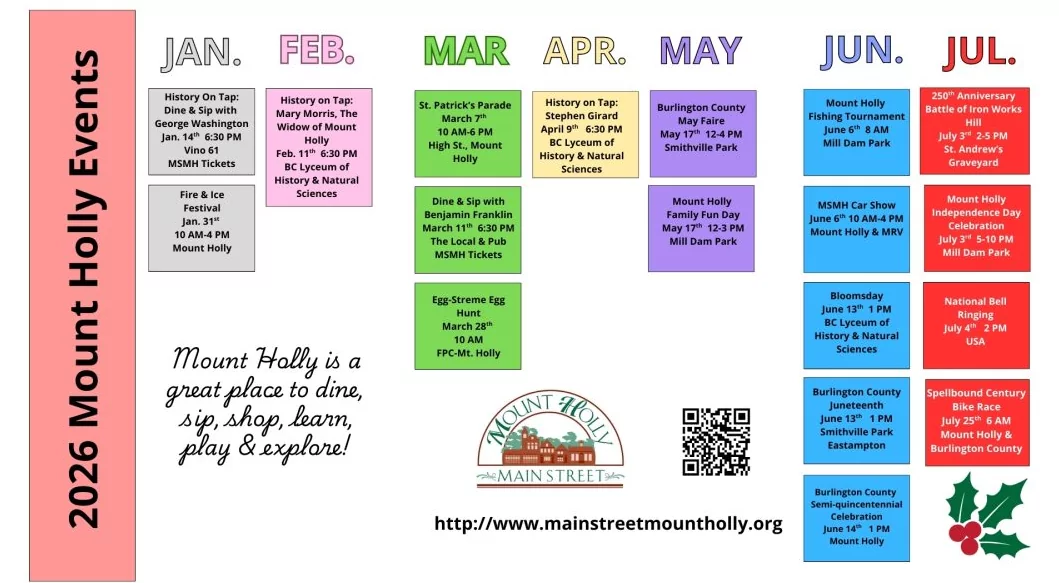
Cultural calendars help people recognize important observances, festivals, and heritage events across different communities. They are useful for schools, businesses, nonprofits, and families that want to plan activities in a more inclusive and informed way.
Historical calendars add another layer of meaning by highlighting major events, anniversaries, and timeline-based education. They can be used to feature national history, world history, local heritage, museum programming, classroom lessons, or even themed social media content built around significant dates.
Best Ideas for Cultural Calendar Designs in 2026
One of the best cultural calendar ideas for 2026 is a monthly observance calendar. Each month can feature major festivals, awareness months, heritage celebrations, and important community dates, making the calendar both practical and educational.
Another strong idea is a diversity-themed planner that combines monthly planning pages with short notes about key observances. This type of design works especially well for schools, HR teams, event planners, and organizations that want a more inclusive annual calendar.
You can also create a family cultural calendar that includes birthdays, holidays, religious celebrations, and traditional events that matter to your household. This makes the calendar feel personal while also preserving cultural identity in a simple and visible format.
Best Ideas for Historical Calendar Designs in 2026
A historical timeline calendar is one of the most creative options for 2026. Instead of showing only dates, it can include notable anniversaries, key events from the past, and short descriptions that explain why those moments matter.
Another effective format is a themed history calendar. For example, you can create a calendar based on women in history, world inventions, famous speeches, art history, political milestones, or important local heritage events. This approach works well for classrooms, museums, researchers, and educational websites.
A vintage-style history calendar is also a strong design option. By using classic typography, muted colors, archival images, and simple notes, you can create a printable calendar that feels educational and visually distinctive at the same time.
Who Should Use These Calendar Ideas
Cultural and historical calendars are useful for a wide range of audiences. Teachers can use them for lesson planning, students can use them for research or study tracking, and community organizers can use them to prepare events around important dates.
They are also valuable for bloggers, brands, and content creators. A cultural or historical calendar can serve as a planning tool for campaigns, newsletter themes, social posts, educational downloads, or seasonal content ideas throughout 2026.
Free Template Ideas for 2026
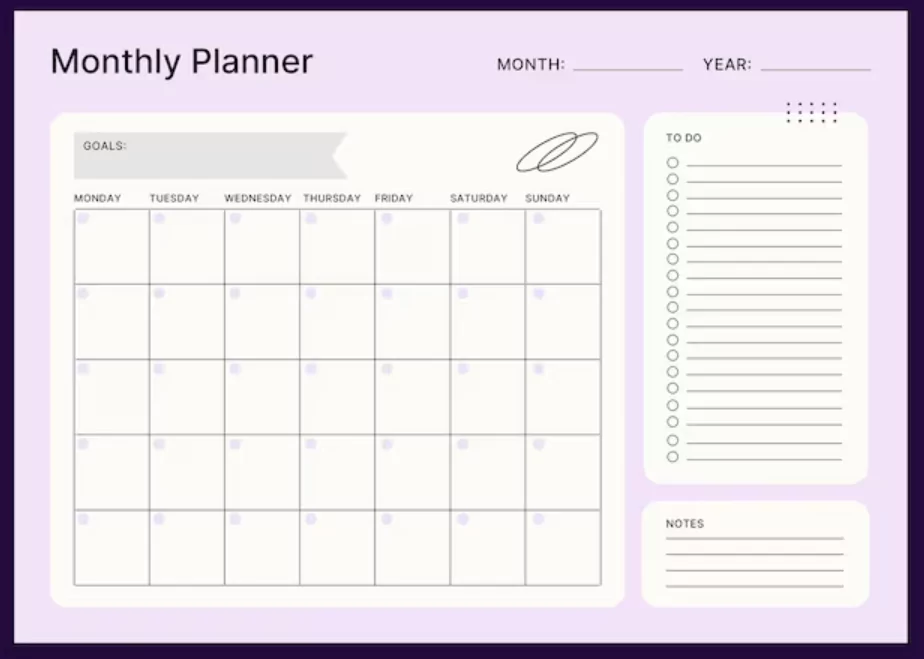
If you want to create a cultural or historical calendar quickly, start with a free monthly template that includes large date boxes and space for notes. This gives you enough room to add observances, historical facts, anniversaries, or event reminders without overcrowding the design.
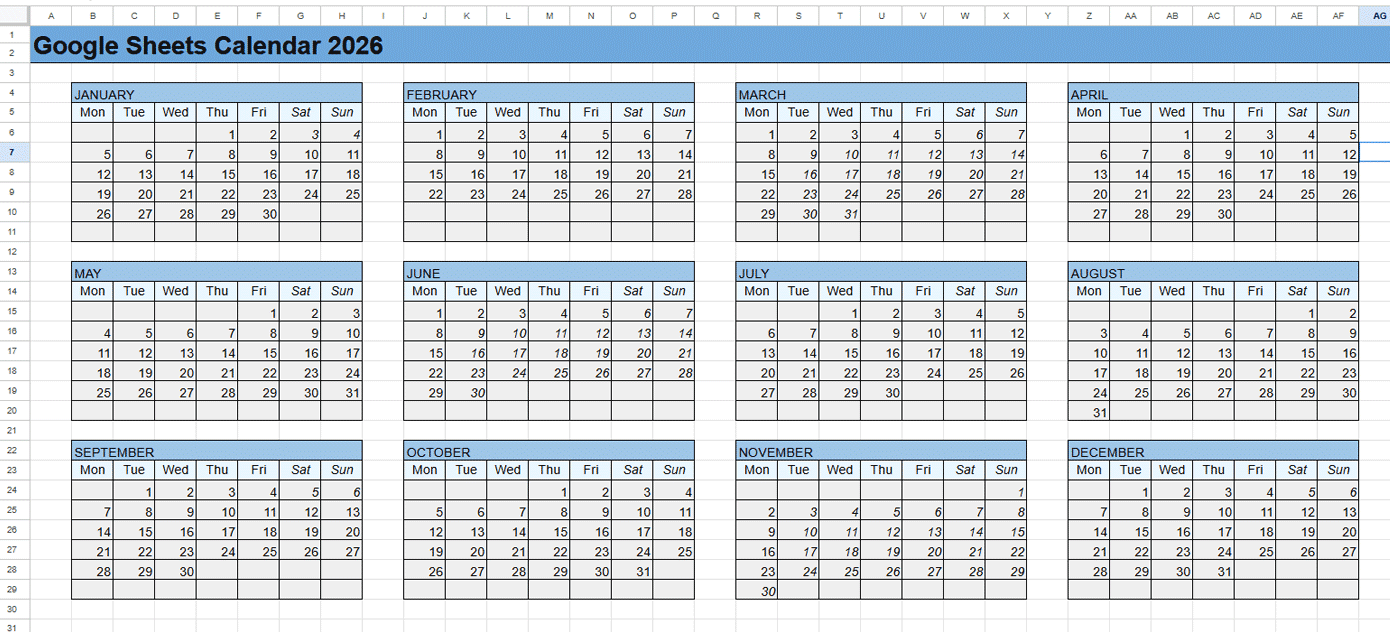
A yearly overview template is another good option for broader planning. It works best when you want to map out the full year at a glance, especially for heritage months, major festivals, commemorative dates, or classroom curriculum planning.
Timeline-based templates are ideal for historical calendar projects. They help organize events chronologically and make it easier to connect important milestones with specific months or seasons in 2026.
Tips for Creating a Better Cultural Calendar
Start by choosing a clear theme. A calendar becomes more useful when it has a defined purpose, such as multicultural observances, religious celebrations, heritage months, or regional festivals.
Keep the layout simple and readable. Use color coding carefully, make headings easy to scan, and avoid adding too much text inside each date box. A clean layout makes the calendar more practical for everyday use.
It is also important to verify dates before publishing or printing. Cultural and religious observances can vary by country, tradition, and official local recognition, so accuracy matters when building a trustworthy calendar resource.
Tips for Creating a Better Historical Calendar
Focus on significance, not just quantity. A historical calendar becomes stronger when it highlights meaningful moments instead of trying to include every possible date.
Use short descriptions for each historical event. Readers want context, but they do not need a full essay inside a calendar format. A single sentence or quick note is often enough to make the calendar informative and engaging.
Visual consistency also matters. If you are using historical images, icons, or vintage design elements, keep the style consistent across all months so the calendar feels polished and professional.
Digital vs Printable Versions for 2026
Digital versions are perfect for users who want quick edits, easy sharing, and integration with online planning systems. They are ideal for collaborative teams, educators, and marketers who update schedules frequently.
Printable versions are better for classrooms, offices, home walls, journals, and display boards. They create a more visible and tactile planning experience, which can make cultural and historical dates easier to remember.
Many users benefit from combining both formats. A digital version supports updates and distribution, while a printable version makes the calendar more visible in daily life.
Conclusion
Cultural and historical calendars for 2026 offer more than organization. They bring together planning, education, memory, and identity in one useful format. Whether you want a diversity calendar, a heritage-themed planner, or a history timeline layout, the right design can turn a simple calendar into a meaningful resource.
With free templates and the right structure, you can create a 2026 calendar that is practical, visually appealing, and rich in cultural or historical value. The best results come from combining accurate dates, a clear theme, and a clean design that people will actually enjoy using.
