In a world dominated by the Gregorian calendar’s rigid 365-day grid, many of us feel disconnected from the natural flow of time. We push for productivity when our bodies crave rest, and we schedule heavy workloads during periods meant for reflection.
But what if the secret to better time management wasn’t a new app, but an old calendar? In 2026, a growing movement of “conscious planners” is rediscovering the power of cultural and historical calendars. By layering systems like the Hijri, Chinese Lunisolar, or Javanese calendars over your standard schedule, you can unlock a deeper, more rhythmic approach to daily life.
Why One Calendar Is Not Enough
The Gregorian calendar (the standard Jan-Dec system) is excellent for civil administration and paying bills. However, it is solar-based and purely functional. It ignores the lunar cycles and seasonal shifts that human biology—and history—have followed for millennia.
Using a multi-calendar approach allows you to:
- Align with Energy Levels: Lunar calendars (like the Islamic or Chinese systems) can help you predict natural ebbs and flows in your energy.
- Deepen Cultural Roots: Connecting with your heritage’s timekeeping system fosters a sense of identity and grounding.
- Mark Qualitative Time: While the Gregorian calendar measures quantitative time (hours/minutes), cultural calendars often measure qualitative time (favorable days, festive periods).
3 Calendar Systems to Integrate into Your 2026 Workflow
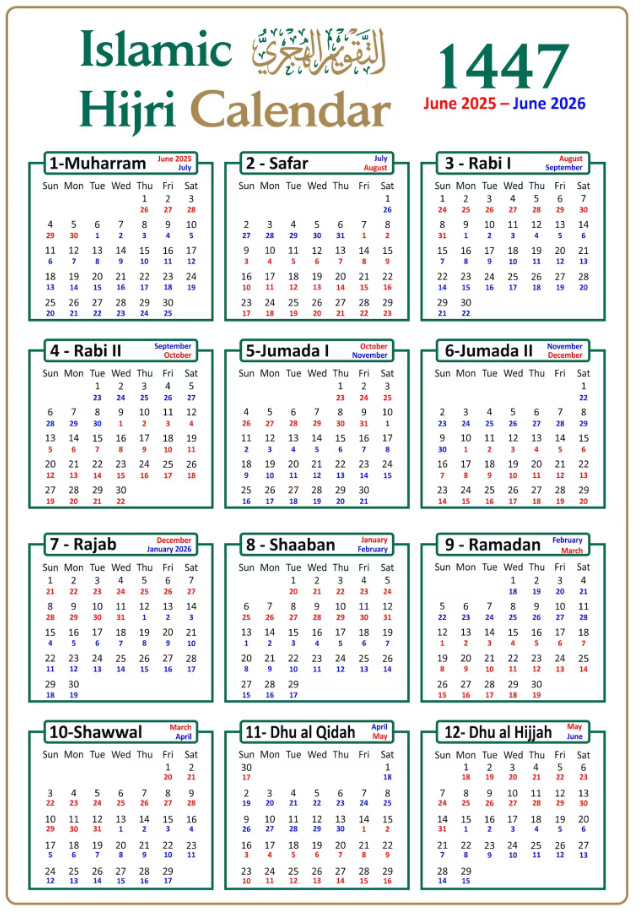
1. The Hijri Calendar (Lunar Cycle)
Current Year: 1447–1448 AH
Best For: Spiritual grounding and community connection.
Because the Hijri calendar is purely lunar, months drift 11 days earlier each solar year. In 2026, this system reminds us that time is fluid, not static.
Actionable Tip: Use the “White Days” (the 13th, 14th, and 15th of each lunar month, when the moon is full) as your monthly check-in point. The full moon is historically a time of high energy and culmination—perfect for reviewing project milestones or hosting team celebrations.

2. The Chinese Lunisolar Calendar
Current Year: Year of the Horse (4723–4724)
Best For: Long-term strategy and agricultural-style growth.
This system combines solar years with lunar months, dividing the year into 24 “Solar Terms” (like “Awakening of Insects” or “Grain Rain”). These terms describe the natural environment precisely.
Actionable Tip: Instead of quarterly reviews, plan your year around the major festivals. Use the period after the Lunar New Year (late Jan/early Feb 2026) for launching new ventures, and the “Ghost Month” (usually mid-year) for pausing, reviewing contracts, and avoiding risky new beginnings.
3. The Javanese/Balinese Pawukon
Best For: Determining “favorable” days for specific tasks.
While complex, the Javanese Weton or Balinese Pawukon (210-day cycle) is brilliant for micro-planning. It assigns specific qualities to days based on intersecting weeks.
Actionable Tip: Even if you don’t follow the mysticism, the concept of Pasaran (5-day market cycle) teaches us to rotate our focus. You might dedicate “Legi” days to social networking and “Wage” days to deep, solitary work.
How to Implement This Technically
You don’t need three physical diaries to make this work. Here is how to blend these ancient systems into your modern digital tools:
- Google Calendar “Alternate Calendars”: Go to Settings > General > Alternate Calendars. You can natively overlay the Hijri, Hebrew, or Chinese calendar onto your standard view.
- Subscription Links (iCal): Many cultural organizations offer .ics links for specific calendars (e.g., “Javanese Calendar 2026”). Subscribe to these so they appear as a separate color layer on your phone.
- The “Dual-Date” Header: In your daily journal (like Notion or Obsidian), start writing the date in both formats. For example: “January 24, 2026 / Rajab 5, 1447.” This simple habit forces a daily moment of awareness.
Conclusion
Productivity in 2026 isn’t just about doing more; it’s about doing things at the right time. By inviting cultural and historical calendars into your planning process, you stop fighting against the clock and start flowing with deeper, centuries-old rhythms. Whether it’s the moon, the harvest, or the market cycle, there is a timekeeper in your history waiting to help you work smarter.