Most people rely on standard digital calendars to organize their lives. But there’s a deeper, often overlooked layer of planning that can bring more meaning and balance to your routine—using Cultural & Historical Calendars for Effective Daily Planning 2026.
These calendars reflect traditions, religious observances, historical events, and seasonal rhythms that have shaped communities for generations. When used thoughtfully, they can help you plan not just efficiently, but also intentionally.
In this guide, you’ll learn how to integrate cultural and historical calendars into your daily planning system in a practical and meaningful way.
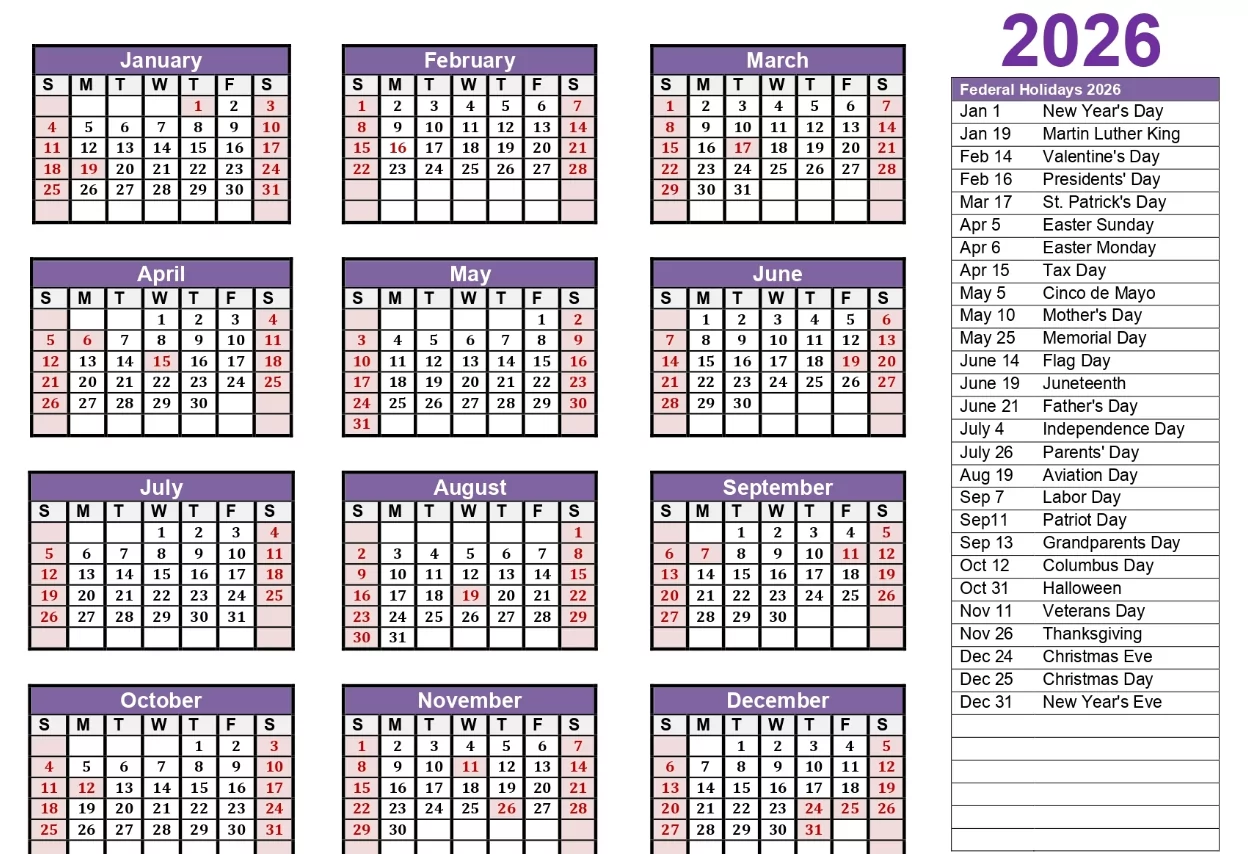
What Are Cultural & Historical Calendars?
Cultural & Historical Calendars for Effective Daily Planning 2026 refer to systems that track important dates based on traditions, religion, history, or regional practices.
Examples include:
- Lunar calendars used in many Asian cultures
- Religious calendars marking festivals and holy days
- National historical calendars highlighting key events
- Agricultural calendars based on seasonal cycles
These calendars often exist alongside the standard Gregorian calendar, offering a richer perspective on time.
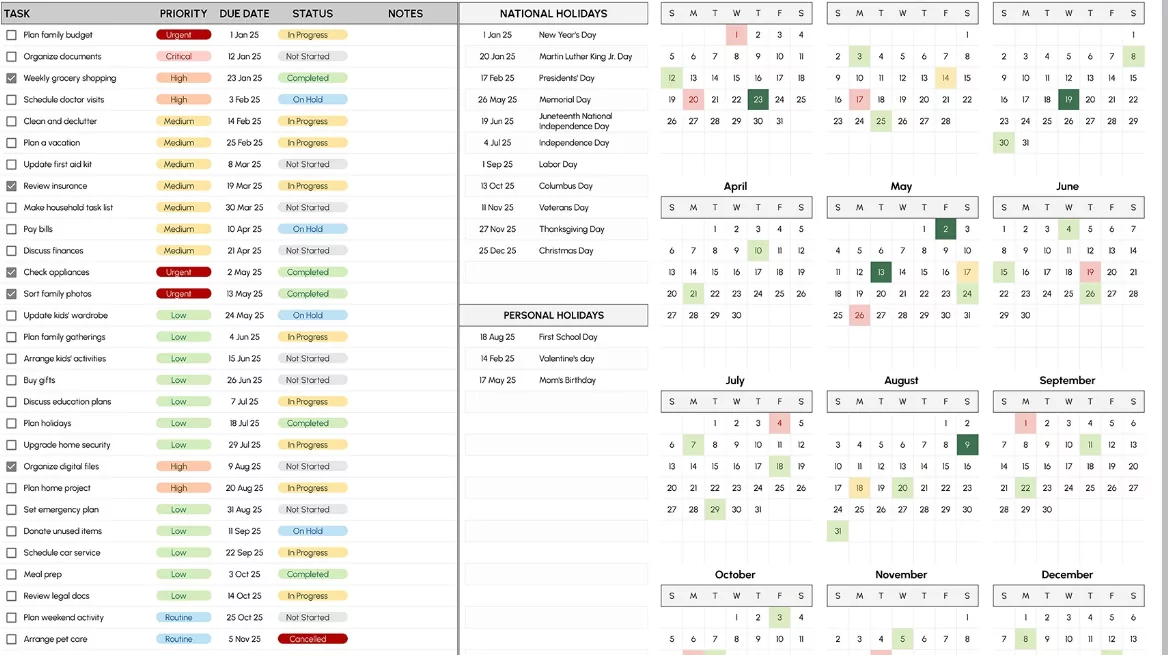
Why Use Cultural Calendars in Daily Planning?
Add Meaning to Your Schedule
Planning around culturally significant dates can make your routine feel more purposeful and connected to tradition.
Improve Awareness
You become more aware of important events, holidays, and observances that may impact your work or social life.
Enhance Work-Life Balance
Many cultural calendars emphasize rest, reflection, and celebration—helping you avoid burnout.
Strengthen Cultural Connection
For individuals and families, it’s a way to stay connected to heritage and shared values.
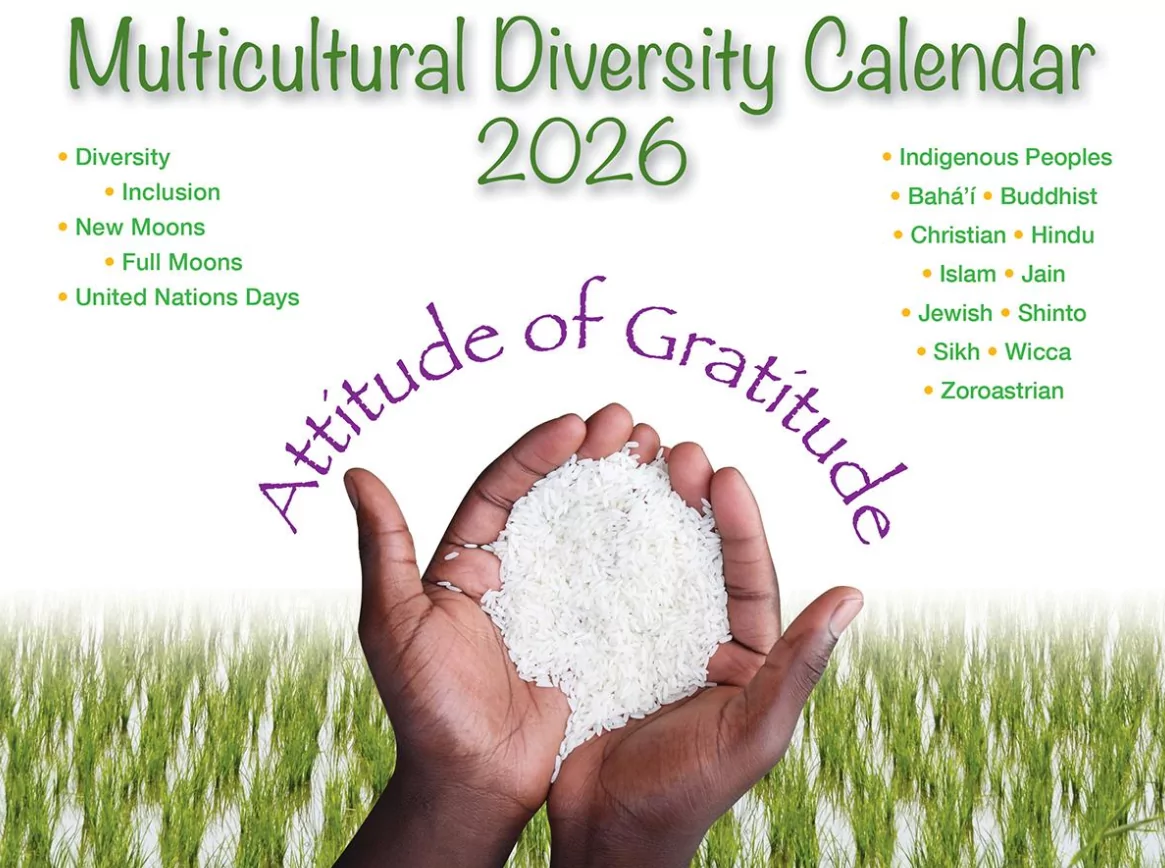
How to Integrate Cultural & Historical Calendars into Your Planning
1. Combine Calendars in One System
The first step is to bring everything together. Use a digital calendar that allows multiple calendar layers so you can view cultural dates alongside your daily schedule.
2. Highlight Important Dates
Mark key holidays, festivals, and historical events clearly. This ensures you don’t overlook them when planning your activities.
3. Use Color Coding
Assign specific colors to cultural events to differentiate them from work or personal tasks.
4. Plan Ahead for Major Events
Some cultural celebrations require preparation. Schedule tasks in advance so you’re not rushing at the last minute.
5. Respect Time Blocks for Observances
Some dates may involve fasting, prayer, or family gatherings. Adjust your schedule to accommodate these practices.
Practical Examples for 2026
Using Cultural & Historical Calendars for Effective Daily Planning 2026, you can plan your year more thoughtfully.
Religious Holidays
Schedule lighter workloads during major religious observances to allow time for reflection or participation.
National Holidays
Use public holidays as opportunities for rest, travel, or family time.
Seasonal Changes
Adjust routines based on seasonal patterns, such as productivity peaks or slower periods.
Benefits for Personal Productivity
Better Time Awareness
You gain a broader understanding of how time flows throughout the year.
Improved Planning Accuracy
Knowing important dates in advance helps you avoid conflicts.
More Balanced Lifestyle
Incorporating cultural rhythms helps create a more natural and sustainable schedule.
Tips for Making It Work
Start Small
Begin by adding a few key cultural dates instead of overwhelming your calendar.
Stay Consistent
Review your calendar regularly to stay aligned with upcoming events.
Use Digital Tools
Many calendar apps allow you to import cultural or religious calendars automatically.
Customize Your Approach
Focus on the traditions and events that matter most to you.
Common Mistakes to Avoid
- Adding too many calendars at once
- Ignoring updates or changes in dates
- Overloading your schedule around major events
- Not aligning plans with priorities
Keep your system simple and meaningful.
Why This Approach Matters in 2026
As life becomes more digital and fast-paced, many people are looking for ways to reconnect with meaning and balance. Using Cultural & Historical Calendars for Effective Daily Planning 2026 is one way to achieve that.
It allows you to combine productivity with purpose, making your schedule not just efficient, but also fulfilling.
Conclusion
Planning your day isn’t just about tasks and deadlines—it’s also about how you connect with time, culture, and tradition. By using Cultural & Historical Calendars for Effective Daily Planning 2026, you can create a system that supports both productivity and personal meaning.
Start by integrating key dates, stay consistent, and adjust your routine as needed. Over time, you’ll find that your schedule becomes more balanced, intentional, and aligned with what truly matters.
In the end, effective planning isn’t just about doing more—it’s about living better.
